The Invisible Battlefield: How AI Infrastructure Is Becoming the New Target of War
How AI infrastructure, cloud hubs, and digital systems are becoming strategic targets in modern conflict.
Written by Mercial
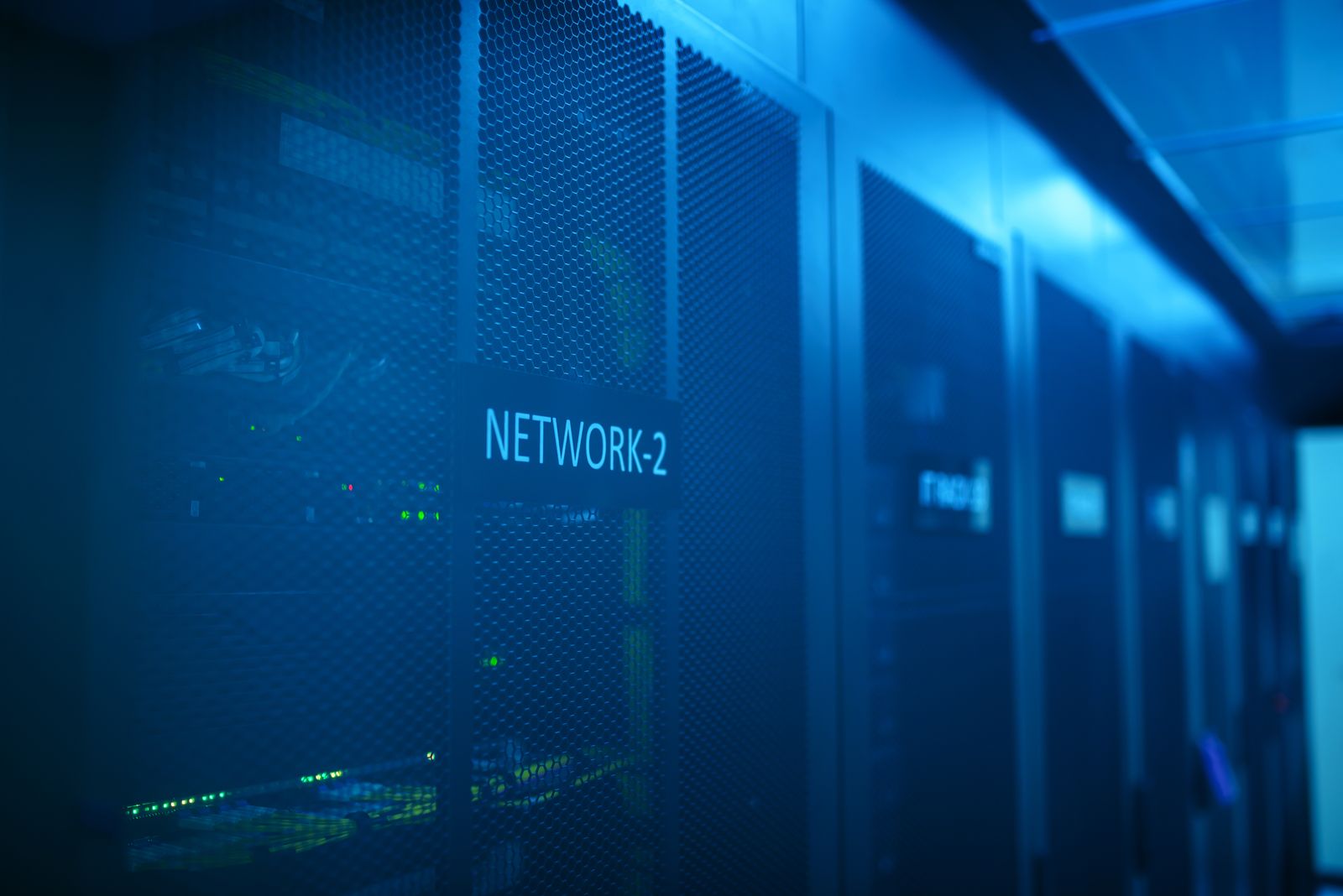
The wars of the 21st century are no longer fought only with tanks and missiles. Increasingly, they are fought through data centers, algorithms, cloud platforms, networks, and the physical infrastructure that keeps digital systems running.
That shift changes how governments and businesses should think about critical infrastructure. The systems that process financial transactions, coordinate logistics, host communications, and power AI services can become strategic targets.
AI infrastructure is no longer only commercial technology. At sufficient scale, it becomes economic, political, and military infrastructure.
The rise of the digital battlefield
Historically, military strategy focused heavily on disrupting:
- energy production and oil refineries;
- transportation and logistics networks;
- communications systems and military bases.
Today, the strategic list increasingly includes:
- cloud computing regions and data centers;
- AI training and inference clusters;
- undersea fiber-optic cables;
- satellite and terrestrial communication networks.
Financial markets, defense intelligence, emergency communications, logistics, and civilian services depend on real-time computing capacity. Disabling that capacity can produce effects far beyond the physical site where an attack occurs.
AI is becoming a strategic asset
Governments increasingly treat artificial intelligence as a national capability rather than a normal software category. Countries are investing heavily in sovereign data infrastructure, advanced semiconductor access, research capacity, and domestic AI computing clusters.
The strategic advantage does not come from models alone. It depends on reliable power, networking, data, chips, skilled operators, and the ability to recover from disruption.
Cyber and physical operations are converging
Modern campaigns can combine several forms of disruption:
- network intrusion and credential compromise;
- attacks on satellite or communication systems;
- malware targeting industrial or data-center operations;
- physical attacks coordinated with cyber operations.
The distinction between a physical battlefield and a digital battlefield is becoming less useful. The systems are connected, and failures in one layer can cascade into another.
What this means for businesses
Most companies are not direct military targets, but they depend on infrastructure exposed to regional outages, provider concentration, cyber incidents, policy changes, and supply-chain disruption.
- Identify critical cloud, API, network, and data dependencies.
- Define recovery priorities before an outage occurs.
- Maintain tested backups outside the primary failure domain.
- Evaluate concentration risk in vendors and geographic regions.
- Design manual or degraded operating modes for essential workflows.
The future battlefield may be difficult to see
A major conflict may begin with disrupted networks, unavailable cloud regions, corrupted data, or disabled computing capacity before the public understands what has happened. The battlefield may be partially invisible, but the operational and economic effects will be concrete.
Work with Mercial
Build more resilient digital systems
Mercial helps businesses plan software, infrastructure, integrations, and operational systems with maintainability and resilience in mind.
Explore Software Development