Compute, Chips, and Power: The Hard Limits Behind AI Geopolitics
Why semiconductors, energy demand, and infrastructure now define the real limits of AI geopolitics.
Written by Mercial
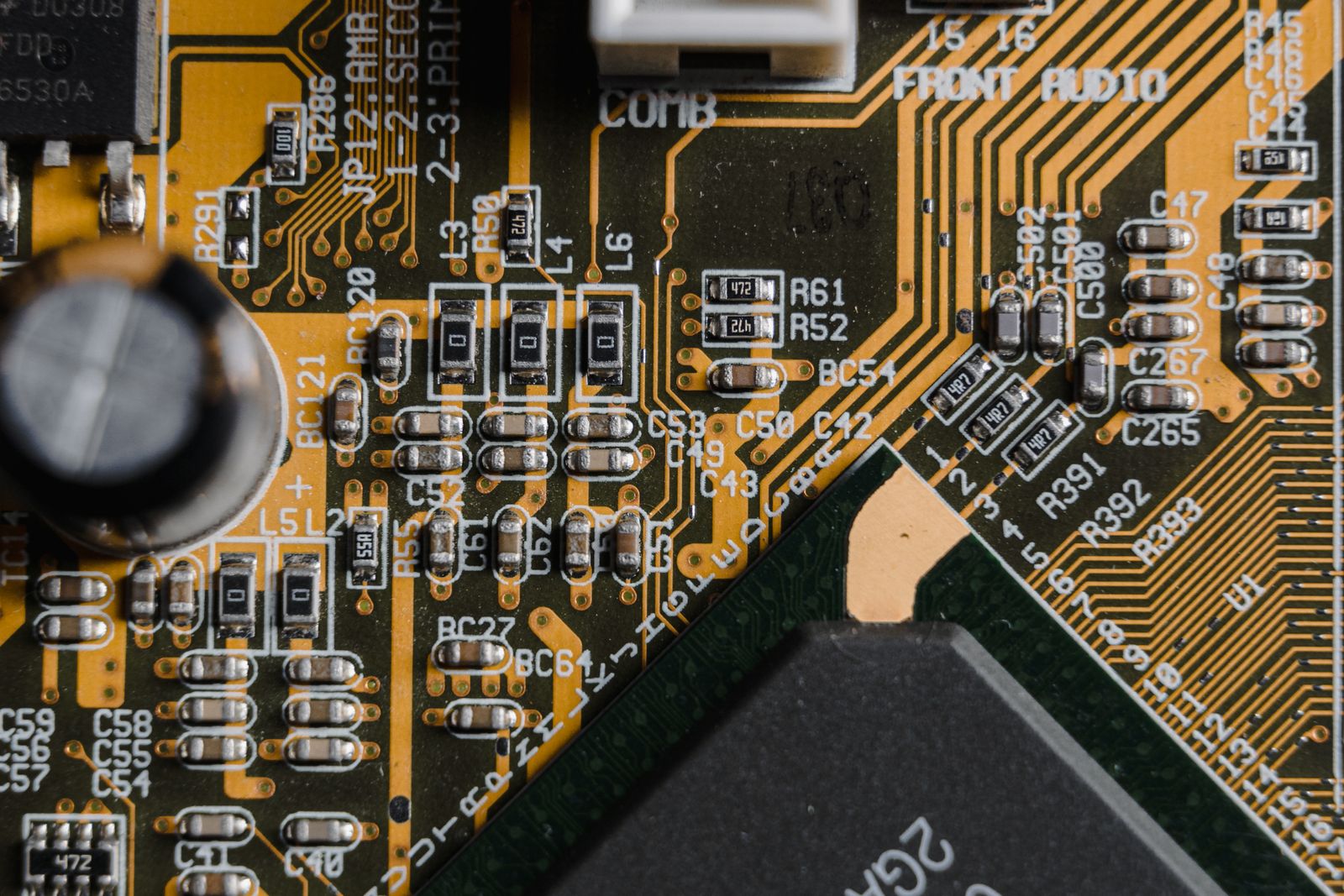
AI strategy is often discussed as a software race. In practice, it is increasingly a race for physical capacity: advanced chips, reliable electricity, data-center construction, networking, cooling, and supply-chain access.
Model quality matters, but models cannot be trained or operated at scale without compute, energy, facilities, and access to specialized hardware.
Semiconductors became a strategic chokepoint
Export controls targeting advanced AI chips and related manufacturing technology confirmed that compute access is now a geopolitical instrument. Restrictions can affect model-training timelines, infrastructure costs, product rollout, and national competitiveness.
The semiconductor supply chain is unusually concentrated. Advanced design, fabrication, packaging, manufacturing equipment, and materials depend on specialized companies operating across several jurisdictions. Disruption at one layer can affect the entire market.
Power grids are becoming part of AI strategy
Data-center electricity demand is rising as AI training and inference expand. New facilities need reliable power, grid connections, cooling, land, permits, and transmission capacity. In constrained regions, infrastructure timelines can become longer than software-development timelines.
- More compute requires more dependable electricity.
- Grid constraints can become product-deployment constraints.
- Energy price volatility affects the economics of AI workloads.
- Permitting and transmission capacity influence regional advantage.
Cloud capacity does not remove physical limits
Cloud platforms make computing resources easier to purchase, but they still depend on chips, facilities, networks, and energy. Capacity shortages, regional outages, pricing changes, and provider concentration can reach customers through the cloud abstraction.
Defense and industrial policy are converging
Governments and alliances increasingly connect AI policy with supply-chain security, defense interoperability, domestic manufacturing, and infrastructure resilience. The distinction between commercial AI capacity and strategic national capacity is narrowing.
- Defense posture now includes digital infrastructure resilience.
- AI governance and security strategy increasingly overlap.
- Shared data and system standards affect alliance interoperability.
What this means for companies
If a roadmap depends heavily on AI capacity, the risk model cannot stop at software features and model accuracy.
- Track cloud, hardware, and geographic concentration.
- Understand which workloads depend on specialized accelerators.
- Model regional pricing and power-cost sensitivity.
- Design fallback architecture before production capacity becomes constrained.
- Separate critical workloads from experimental or replaceable workloads.
Physical capacity will shape the next phase of AI
In the next phase of AI competition, access to compute and stable energy may matter as much as algorithmic quality. Organizations that understand those constraints will make more realistic product, infrastructure, and investment decisions.
Work with Mercial
Plan infrastructure around real constraints
Mercial helps businesses design software and data systems around performance, integration, maintainability, and operational risk.
Explore Software Development